Outback
25 -29 APRIL 2025
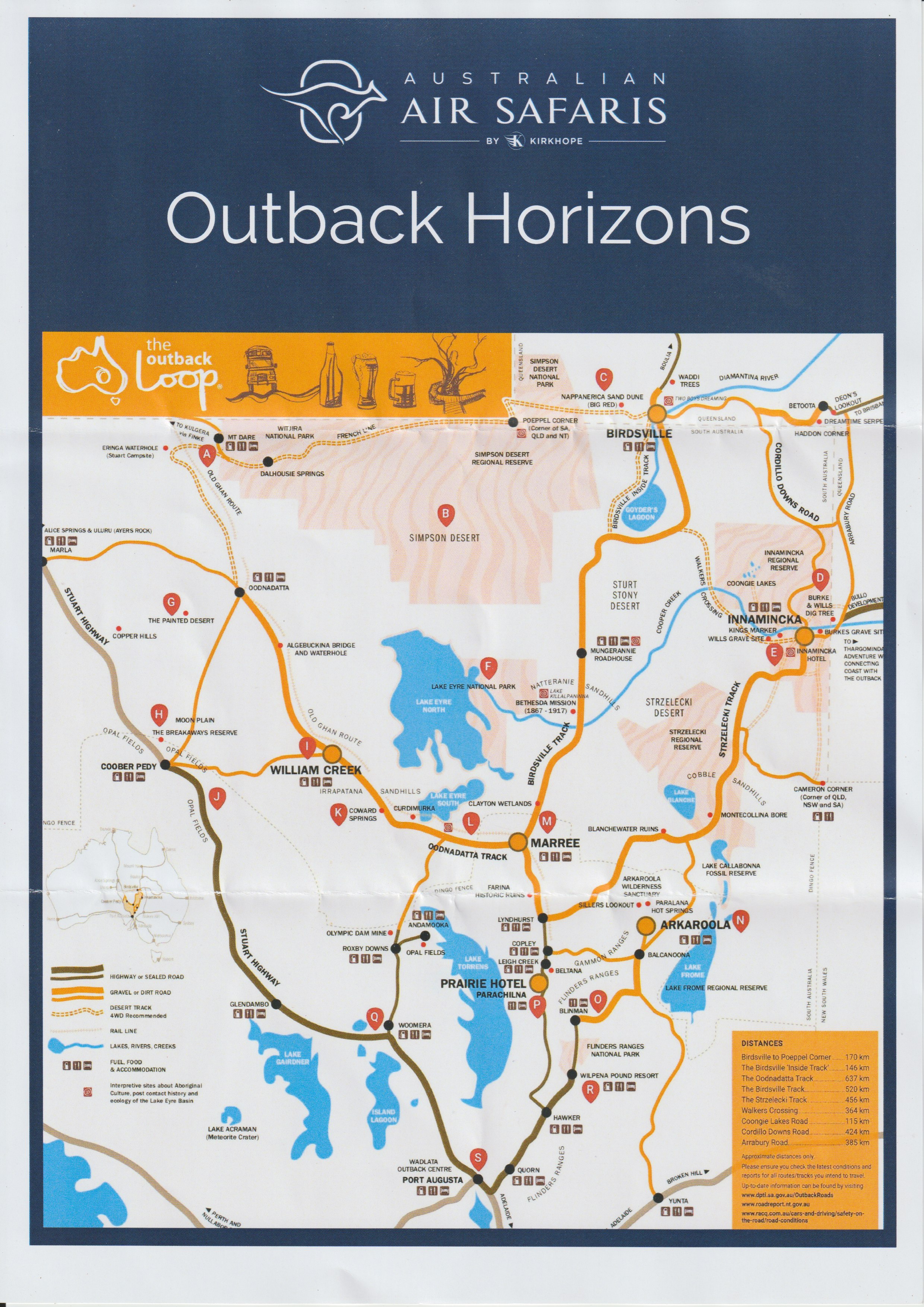
Exploring parts of our unique outback following the Queensland flooding as waters move down the Channel Country towards the salt flats of Kati Thanda – Lake Eyre.
FRIDAY 25
All ready for take off from Bankstown Airport and the fog had other ideas so we returned to the departure lounge before taking off about an hour late.
Due to weather our overnight stay at Mungo was changed to Mildura. This was my second attempt to visit Mungo National Park, when asking about the best time to visit March/April was the reply. As it happens my first trip was organised for March and this one for late April, so not convinced about the timing.
We refuelled at Griffith which lead to conversations about the notorious illegal drug trade, particularly marijuana, and organised crime in the area.
As disappointed as we were about not visiting Mungo National Park we were welcomed to Mildura with the best sandwiches for lunch, a drive around the local area and a visit to the arts centre before dinner. It was one of the best steaks I’ve ever had at the The Spanish Grill and excellent breakfasts at our accommodation the Mildura Grand Hotel’s. Do I admit that they also served my desert in a takeaway container which I enjoy in my room. Sadly my room overlooked the internal space full of shabby air conditioning and other hotel infrastructure.
SATURDAY 26
We flew to Broken Hill, which I visited with Dad in 2010 and even though in New South Wales it is on South Australian time. We were meet by our tour guide, Clark Barrett taking us to our first stop at the famous Bells Milk Bar to enjoy a drink of our choice, mine was a sarsaparilla spider, just how I remembered it.
Lots of work has been done providing an excellent visitor museum at the Royal Flying Doctor Base though I was very disappointed to find the viewing deck of the aircraft hanger has been lost.
We visited Silverton where Max Max was filmed, enjoyed a late afternoon at the spectacular Desert Sculptures overlooking the expansive landscape, a visit to the Palace Hotel made famous by Priscilla, Queen of the Desert followed by an excellent dinner at Trinders Restaurant which I would highly recommend if your ever in Broken Hill. If you do not mind some easy steps the Royal Exchange Hotel is worth considering for central location accommodation with great views from the large, expansive balcony.
SUNDAY 27
We explored the Broken Hill mines including the Browne Shaft, the Line of Loade and the Miners Memorial remembering over 800 miners who have lost their lives on the job before heading to Innamincka for lunch.
We flew low over Cooper Creek and the Burke and Wills Dig Tree, nestled in amongst the flood waters and place of their ill-fated expedition before landing at the tiny outback town of Innamincka in South Australia’s remote northeast. While at Innamincka a Black Hawk helicopter landed delivering supplies to the town cut off by floodwaters.
After flying over the Goongie Lakes we headed to Birdsville, population of 110, staying at the Birdsville Hotel across the road from the airstrip. There was no internet and limited television channels so thought about writing my postcards until I realised I was unable to access my addresses and no phone to ask for address, there was a bible in my room. What to do? I went for a walk along the very wide empty streets with not another person or car in sight due to Birdsville being cut off from the flooded roads with only air access.
We were given permission to travel off road due to flooded roads for our 4WD drive adventure to the Big Red, a 40-metre sand dune on the edge of the Simpson Desert and overlooking the vast expanse. This is the first of 1,140 parallel sand dunes marking the edge of Munga Thirli, Simpson Desert. Wondering about the small fenced paddock my thoughts were answered when it was explained that it was used to monitor the landscape conditions. This lets the station know about the feed conditions of the area so cattle stock numbers can be monitored on the large stations.
MONDAY 28
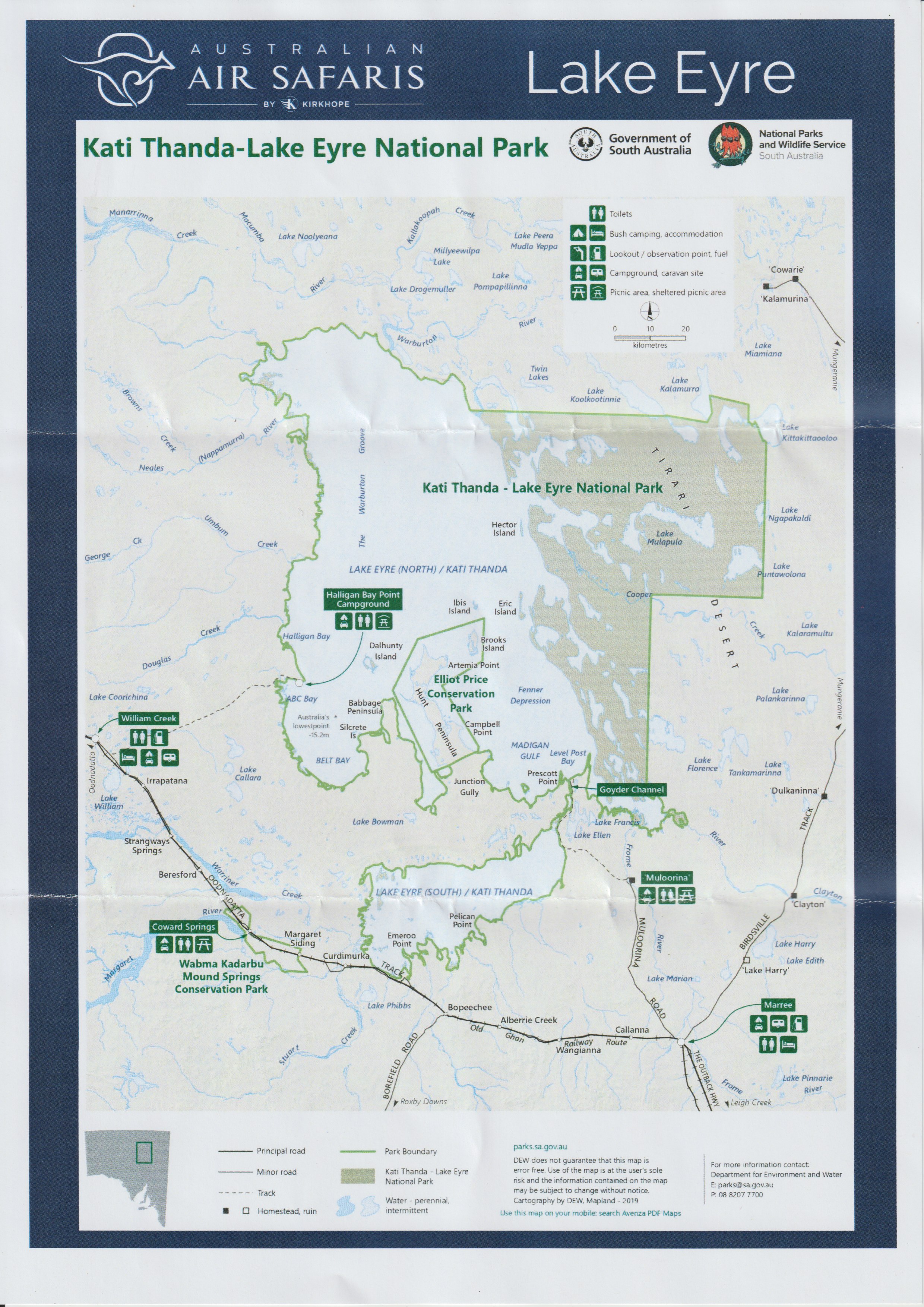
Boarding our aircraft, after a short 5 minute walk from our accommodation, we flew over the Diamantina River, Goyder Lagoon, and the Warburton River that are part of the Channel Country which is flooding from the recent very heavy Queensland rains. After seeing the Marree Man we continued our flight over the dry, flat salt-plain Kati Thanda – Lake Eyre, traditional home to the Arabana and the Dieri People. We flew over Belt Bay the deepest part of the Lake, Madigan Gulf, the Sand Islands and Warbuton Inlet.
Lunch was at William Creek on the Oodnadatta Track, one of the most remote out back towns in Australia and with a population of fewer than 20, before seeing more of KatiThanda-Lake Eyre from the air and heading to the Flinders Rangers.
Landing at Balcanoona Airport, it was a 30 minute drive to our overnight accommodation at Arkaroola Wilderness Sanctuary, which has a focus on conservation, education and science. Sadly I was very disappointed with their star gazing tour of the millions of stars that are visible here.
TUESDAY 29
After deciding not to do the 4WD Ridgetop Tour to Sillers Lookout I arrived for breakfast when people were ready to depart and spontaneously confirming that I could sit in the front I excitedly joined the tour with some fruit for my breakfast.
The Northern Flinders Rangers are home to over 160 species of birds, the endangered yellow-footed rock wallaby and a vast landscape of geological monuments, rugged mountains, granite peaks, magnificent gorges and mysterious waterholes.
We headed home via Lake Frome with an excellent pre-packed picnic lunch to enjoy during our long flight. Refuelling stops were at Broken Hill and Dubbo where we had a delayed departure due to 3 medical flights landing before a night landing at Sydney’s Bankstown airport. Thank you to our wonderful pilot, Callum Jones for our wonderful adventure.

KATI THANDA-LAKE EYRE in flood
From Australian Air Safaris June 2025 eNewsletter
Water is still flowing strongly into Kati Thanda–Lake Eyre — an incredible reminder of just how vast and slow-moving this remarkable system is.
Queensland experienced three major flood events in 2025:
• The North Queensland floods in late January
• Cyclone Alfred in late February
• And most significantly, the Western Queensland floods from late March to April — the only one feeding into the Lake Eyre Basin.
So why does it take months for the water to reach the lake?
For starters, it may travel over 1,000 kilometres from the floodplains of Western Queensland. Add to that the fact that the Lake Eyre Basin is one of the flattest drainage systems in the world — with some rivers falling as little as 10 to 15 centimetres per kilometre. That’s barely a slope! It’s a slow, meandering journey across desert floodplains. That so much water can traverse such a harsh and dry continent to create a fleeting inland sea in the centre of Australia is truly one of nature’s great spectacles.
Even now, the Cooper Creek continues to flow, recently cutting the iconic Birdsville Track — and it’s still on its way to the lake. Significant inflows are expected in the coming weeks, and current predictions suggest water will remain in the lake until at least Christmas.

This book ‘No Roads Go By’ by Myrtle Rose White was in the van of our Broken Hill tour guide, Clark Barrett. Even though I have not read it, this books looks well loved and very interesting.

Floodwaters are beginning to fill Lake Eyre
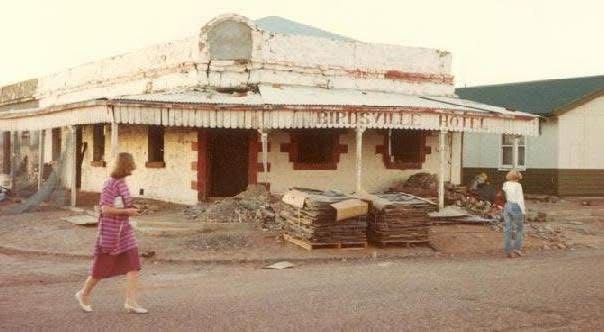
The Birdsville Hotel in the 1970’s photo Les Batros


A photo of the Birdsville Hotel in my Australian Heritage cookbook

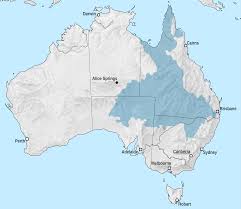
AUSTRALIA’S GREAT ARTESIAN BASIN

SE Qld Weather Photography -Chris McFerran
 Therese O'Leary